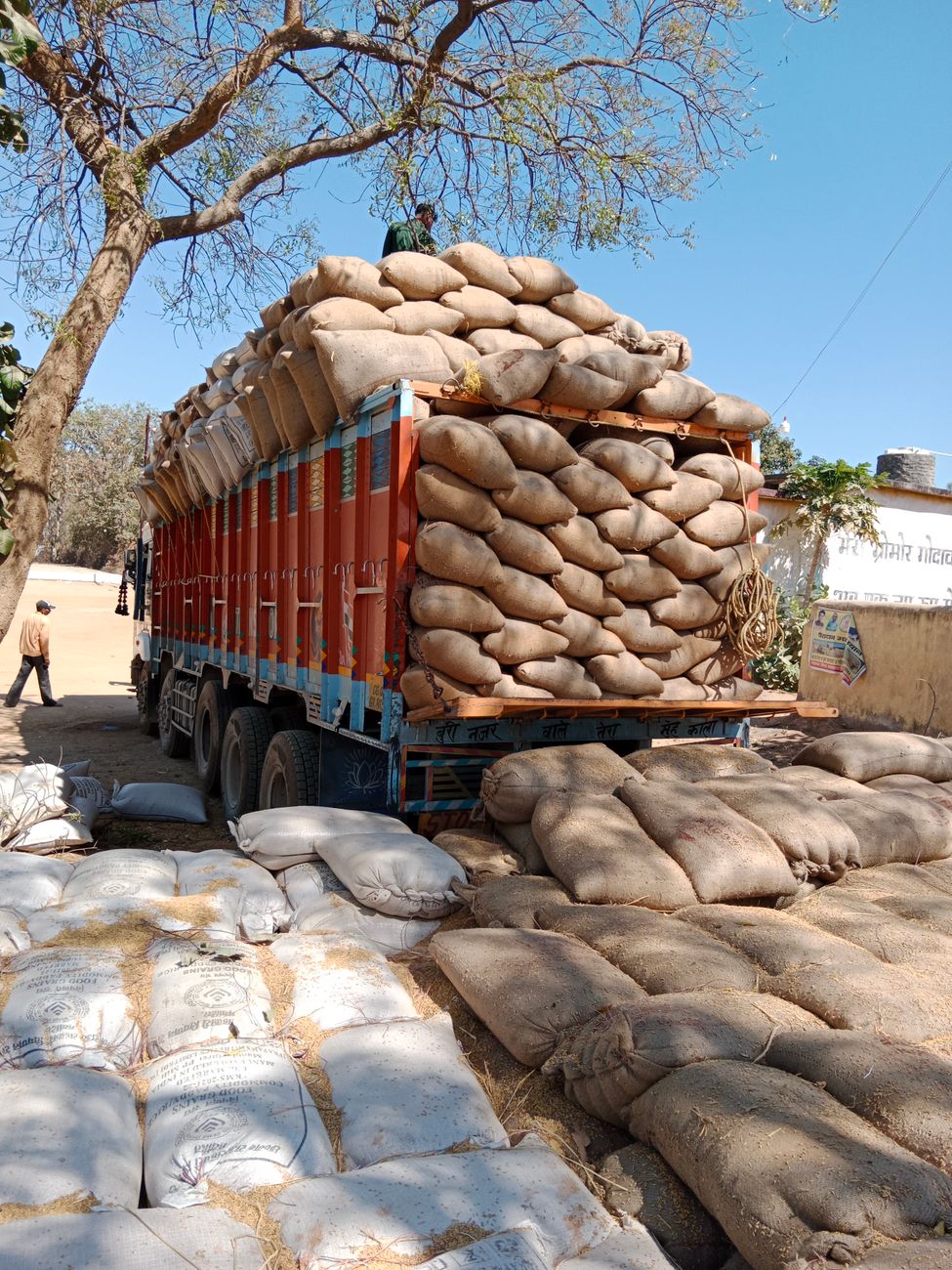
For decades, harvest losses in highly perishable commodities have dampened Indian agricultural growth margins. High transit durations and multi-tiered agent structures often eat up the margins which should ideally support farming communities directly. Today, a series of technological cooperatives in Western India are developing decentralised, solar-powered cold assets close to farm clusters.
We visited farm cooperatives in Maharashtra and Gujarat to verify how these refrigeration systems work in real life. By storing local crops close to harvest points, farmers avoid panic selling on low price days, extending their negotiation timelines significantly.
System Operations and Financial Mechanics
The system operates simply: a local farmer deposits their vegetables or fruits into a temperature-controlled container owned by the cluster co-operative. They receive a certified digital storage receipt detailing exact product quality and volume. This receipt can function as a collateral asset to access formal crop funding, shielding farmers from usurious local lenders.
- Solar Integration: Keeps refrigeration units functional without relying on irregular central grid supplies.
- Direct Marketplace Channels: Eliminates middle layers, connecting buyers with farmers via unified digital boards.
- Waste Reductions: Brings crop wastage levels down from thirty percent to below five percent.
These adjustments have elevated actual household incomes for participant farmers by about fifteen to twenty percent. Satyameva News continues following regional policy changes to see if these models can scale across eastern agricultural domains.