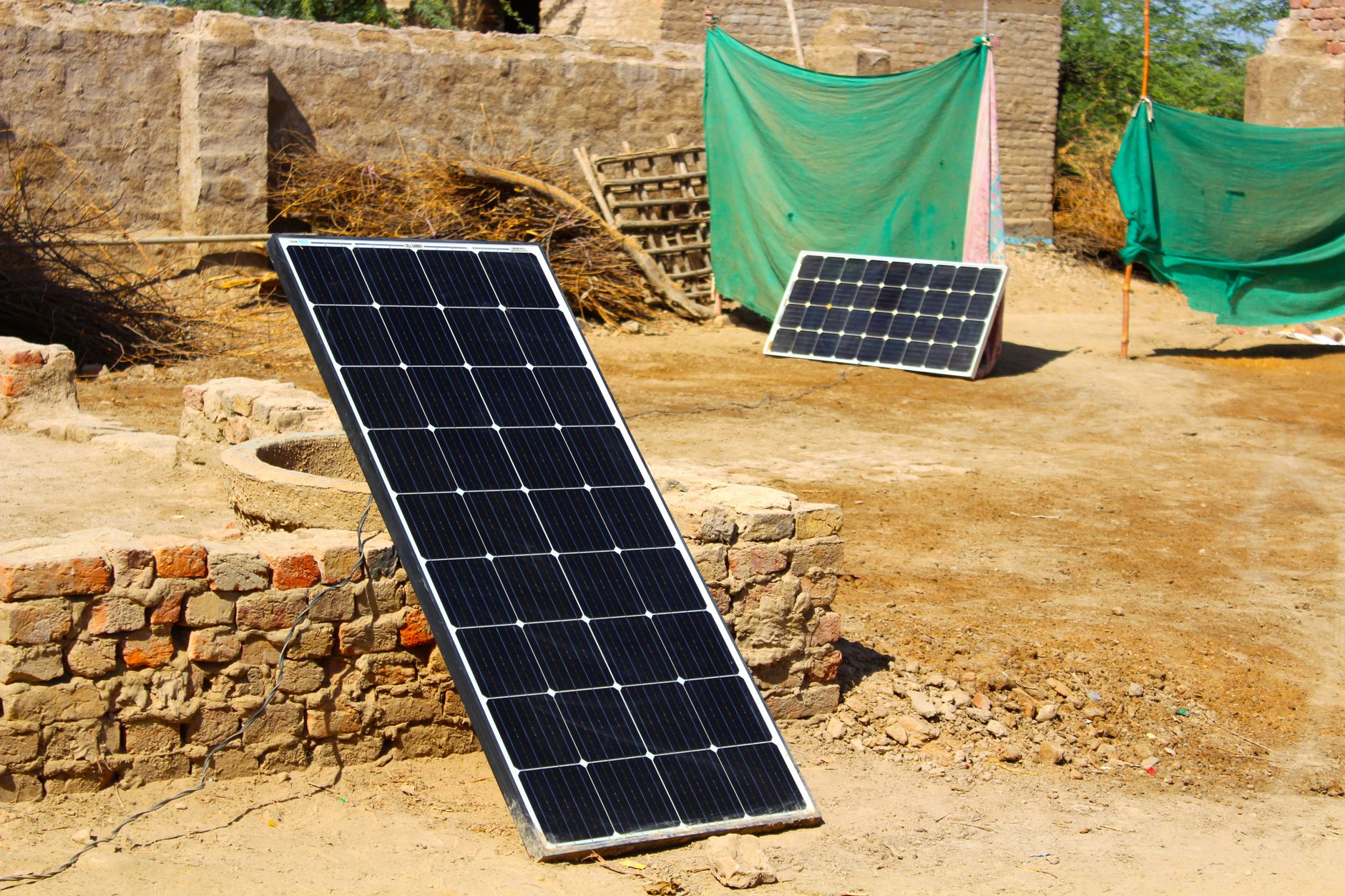
National solar expansion has historically prioritized grand gigawatt projects spanning miles of deserts. While these provide impressive metrics for international trade forums, the downstream transfer of energy to isolated farming populations remains problematic. High transmission losses, sub-optimal maintenance of long overhead lines, and rural power boards facing debt impede distribution.
Satyameva News monitored clean-energy micro-grids deployed in parts of Northern Uttar Pradesh and Bihar to analyze if decentralised generation offers a viable pathway to rural energy security.
Micro-grid Integration Realities
A regional micro-grid functions by matching localized generation (typically 10kW to 50kW solar banks) with immediate village loads. Local stores, processing machines, and domestic lighting systems are powered via smart meters, avoiding reliance on vulnerable central transmission networks.
However, the financial aspects of these operations are delicate. Battery storage replacement costs remain incredibly high, and if localized tariffs are set too high, small rural clients default, creating cash-flow challenges for regional project operators.
Critical Bottlenecks Facing Expansion
- High Initial Overhead: Hardware and setup costs require public funding support.
- Seasonal Variations: Long monsoon months strain localized backup capacities.
- Grid Convergence Policies: Ambiguities in how micro-grids intersect with arriving national grids discourage private developers.
Our findings show that while local micro-grids are useful for basic needs, they cannot fully replace robust national grid systems. Successful rural development requires a hybrid model combining local renewable generation with stable central grid infrastructure.