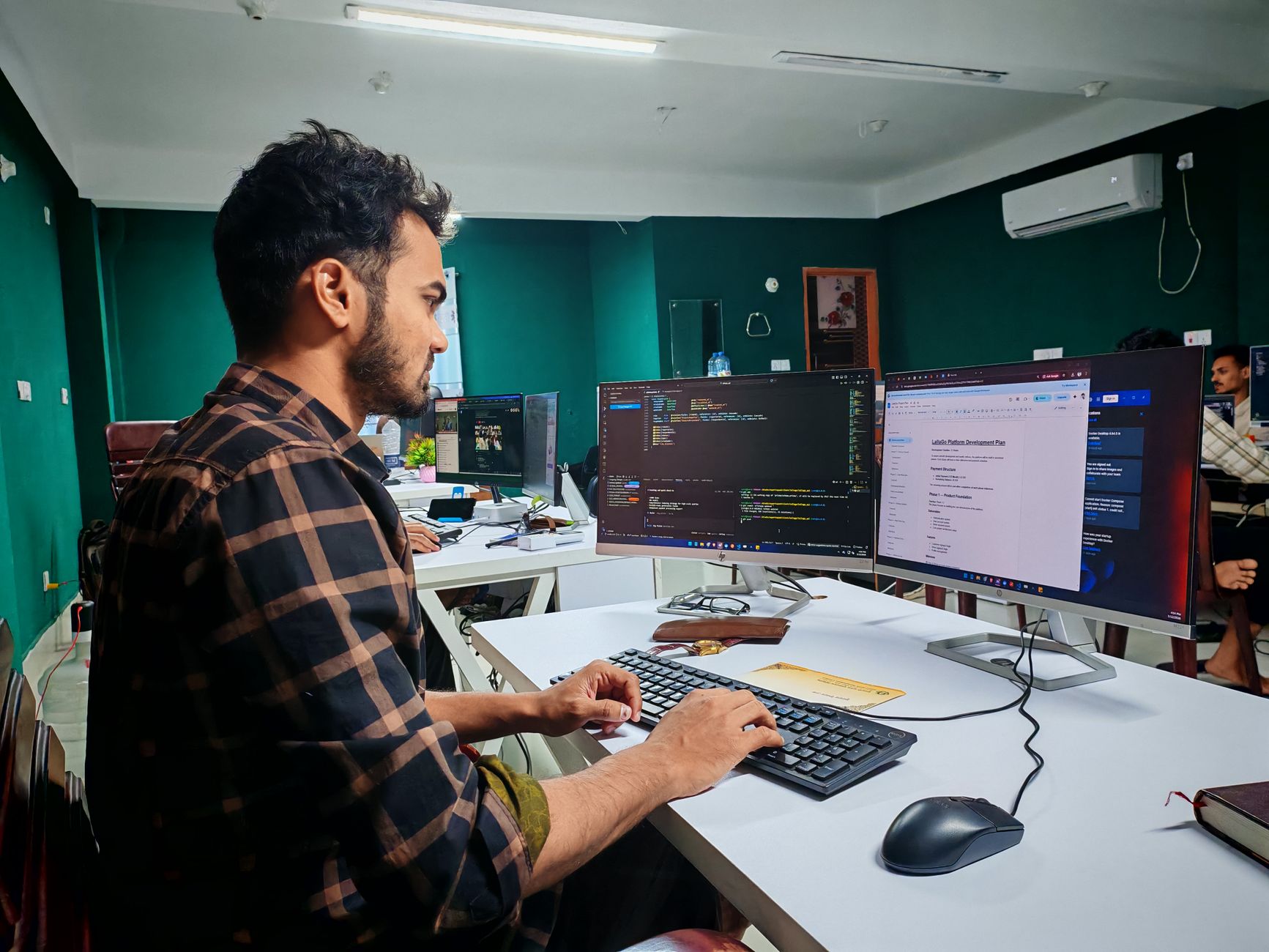
For over two and a half decades, the narrative of India's technology boom was firmly anchored to a couple of major urban centers. Bengaluru and Hyderabad absorbed massive international institutional real estate capital, giving rise to sprawling campus zones. However, this centralized infrastructure concentration model is displaying critical strains, ranging from rising overhead rents to localized climate and water supply complications.
"True expansion of technology services cannot happen in crowded metro zones. The infrastructure logic forces the growth to move outward."
The Operational Pressures of Tier-1 Cities
Congestion isn't merely an inconvenience for employees; it poses functional business blockages. Companies are seeing overheads inflate as commercial office rental space prices hike and municipal connections fall flat. The domestic workforce is seeking alternatives where cost of living is manageable and travel commutes are reduced form three hours daily to under thirty minutes.
The Strategic Ascent of Tier-2 Markets
Municipal zones like Pune, Mysore, Coimbatore, Jaipur, and Kochi are capitalising on these gaps. Guided by regional state policy incentives, these cities offer lower operational costs alongside strong academic pipelines of young engineering graduates. Companies setting up support bases in these sectors report an average of thirty percent reduction in infrastructure overheads and healthier long-term team retention rates.
- Fiscal Benefits: Local tax concessions encourage enterprise investments in smaller micro-regions.
- Talent Retention: Smaller cities see less competitive workforce poaching compared to Bengaluru.
- High Quality of Life: Improved air indexes and reasonable living rentals are drawing mature professionals back to their homestates.
However, basic regional grid stability, digital connectivity redundant trunks, and premium medical centers remain critical barriers. If regional governments fail to upgrade civil infrastructure, Tier-2 cities risk repeating the exact environmental traps of older tech hubs.